

Pet insurance in Hawaii for dogs & cats
Get your price
French Bulldog
Most popular breed in Hawaii
How much does pet insurance cost in Hawaii?
In Hawaii, Fetch Pet Insurance plans average $40/mo. for dogs and $25/mo. for cats. For these prices, Fetch Pet Members get the most complete coverage, including the best pet insurance at the best price for puppies and kittens. This can make a big difference for pet parents in Hawaii, which has the nation’s highest cost of living and its own set of tropical health risks for pets, like heatstroke and bacterial infections. Fetch Pet covers more injuries and illnesses than other providers and reimburses up to 90% of eligible vet bills, so it’s easier to afford the care your pet needs to live a longer, healthier life in Oahu, Maui and every island between.
Fetch Pet is the most complete pet insurance for accidents & illnesses in Hawaii
Fetch Pet covers what others limit, exclude or charge extra for in the Aloha State, including full-mouth dental care, behavioral therapy, sick-visit exam fees and more. It’s why Fetch Pet was voted #1 Best Pet Insurance in the 2026 Newsweek Readers’ Choice Awards and recognized by Forbes for Best Pet Insurance for Dental Coverage. Our award-winning coverage is trusted to protect more than 600,000 dogs and cats, including pets across Hawaii.
Included coverage
Accidents

Emergency vet visits
Hospital stays
Cuts & scratches
Swallowed objects
Broken teeth
Broken bones
Bite wounds
Poisoning
Online vet visits
Illnesses
Sick visits
Vomiting & diarrhea
Skin & ear infections
Cancer treatment
Dental & gum disease
Allergies
Arthritis
Cherry eye
Breed-specific issues
Tests
X-Rays & CT scans
Physical therapy
Surgeries
Ultrasounds
Laboratory tests
Acupuncture & chiropractic care
Treatment for aggression & anxiety
Medications
Accidents, Illnesses & Tests
Emergency vet visits
Hospital stays
Cuts & scratches
Swallowed objects
Broken teeth
Broken bones
Bite wounds
Poisoning
Explore Accident & Illness

Optional coverage
Wellness
Accident and Illness pet insurance doesn’t include preventive care coverage. By adding it, you’ll also get money back for the vet visits that help keep your pet healthy, like:
Annual exams
Vaccinations
Spaying/Neutering
Dental cleanings
Heartworm, flea & tick prevention
Explore preventive add-on
Common pet health risks in Hawaii
Whether kayaking in Kahului or hiking in Hilo, Hawaii's beautiful weather makes outdoor adventures with your pet possible year-round. But its tropical climate can also expose pets to health risks they're less likely to face on the mainland, like Cane Toad poisoning, bacterial infections and toxic plants. Fetch Pet helps cover treatment for these and other covered accidents and illnesses so you can enjoy island life together and worry less about vet bills.
Take a look at what a 90% reimbursement and a $300 deductible looks like in these examples:
What is leptospirosis?
Leptospirosis is a serious illness caused by Leptospira bacteria and spread through the urine of infected wildlife. The bacteria are found in wet soil and stagnant water, especially after storms and flooding. Leptospirosis occurs all over the world, but is most common in warm climates like Hawaii’s.
How leptospirosis affects pets: According to the Hawaiian Humane Society, pets can get infected after ingesting or coming into contact with contaminated floodwater, puddles, streams or mud. Infection can cause fever, loss of appetite, vomiting, diarrhea, lethargy and changes in thirst or urination. Without early antibiotic treatment, the disease can progress to serious kidney and liver damage.

Why pets in Hawaii are at an increased risk
According to the Hawaiian Humane Society, Hawaii has some of the country’s highest rates of leptospirosis because of its warm, wet climate. Mount Waialeale alone receives about 460 inches of rain annually, making it one of the wettest places on Earth. Heavy rainfall spreads Leptospira bacteria into streams and puddles, where the bacteria can survive for months, and local pets can be exposed. That’s why the Hawaii Department of Health warns against swimming or wading in any freshwater streams and ponds in Hawaii.
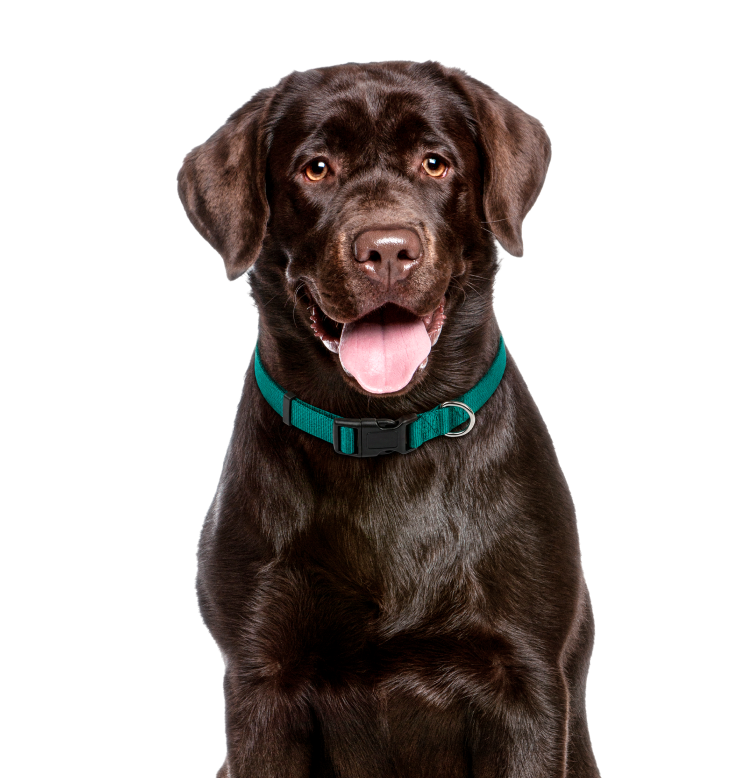
Leptospirosis
Fetch pays back: $1,405
Average cost to treat: $1,895
What is heatstroke?
Heatstroke is a life-threatening condition that happens when a pet gets too hot to cool themself down. According to the Hawaiian Humane Society, dogs and cats can overheat faster than people, especially during exercise in hot or humid weather.
How heatstroke affects pets: Signs of heatstroke in pets include heavy panting, excessive drooling, vomiting, diarrhea, weakness, wobbliness and collapse. Take your pet to the vet as soon as possible if they show symptoms of a heat-related illness.
Why pets in Hawaii are at an increased risk
Hawaii is the only state entirely in the tropics, where warm temperatures put pets at risk of heat-related illness year-round. According to the National Weather Service, daytime temperatures at lower elevations typically reach the upper 70s in winter and the 80s or low 90s in summer. Even mild days can be dangerous for pets left in cars. That’s why the Hawaii Department of Health warns that on an 80°F day, a parked car can reach 109°F in just 20 minutes.
Heatstroke
Fetch pays back: $1,388
Average cost to treat: $1,876


What is Cane Toad toxicosis?
Cane Toad toxicosis is a type of poisoning caused by toxins secreted through a cane toad's skin when it feels threatened. Dogs and cats can be poisoned by licking, biting or picking up a Cane Toad in their mouth. Toad poisonings are very common in tropical climates, especially in Hawaii, according to the University of Hawaii.
How Cane Toad toxicosis affects pets: Cane Toad poisoning is a medical emergency that can cause excessive drooling, head shaking, pawing at the mouth, vomiting and loss of coordination in pets. Severe cases can lead to seizures, cardiac issues and even death within 15 minutes of exposure.
Why pets in Hawaii are at an increased risk
Cane Toads were introduced to Oahu in the 1930s to control pests, but have since become an invasive species. Hawaii is one of 3 states with large, established Cane Toad populations, according to the U.S. Geological Survey, and these toads often turn up in places where dogs and cats explore. According to the Maui Invasive Species Committee, Cane Toads are found on lawns, golf courses, resorts and even in pet food bowls left outside.
Cane Toad toxicosis
Fetch pays back: $415
Average cost to treat: $795


What are toxic plants?
“Toxic plants” is a broad term for plants that naturally contain substances harmful to animals and people, especially when ingested. Curious dogs and cats often explore their environment by chewing, which increases the chances they’ll eat something harmful.
How toxic plants affect pets: Symptoms depend on the plant and how much a pet eats. For example, raw taro and monstera can cause intense irritation, swelling and pain in the mouth, making it difficult to swallow, while sago palms can cause severe liver damage or even death.
Why pets in Hawaii are at an increased risk
Around 150 types of toxic plants grow across Hawaii, including some that aren’t found anywhere else on Earth, according to a 2022 study published in Pacific Science. For example, pets can come across Hawaiian prickly poppies, in dry, sunny areas, or Hawaiian pokeberries in moist forests. Other toxic plants include taro, a staple of Hawaiian cuisine that’s harmful when eaten raw, and monstera and sago palms, which are common in Hawaiian lawns and homes.
Toxic plants
Fetch pays back: $375
Average cost to treat: $750


What is toxoplasmosis?
Toxoplasmosis is an infection caused by the Toxoplasma gondii parasite. It can spread through cat droppings in contaminated soil or water, as well as by consuming infected prey, raw or undercooked meat, unpasteurized milk or unwashed produce.
How toxoplasmosis affects pets: Outdoor cats can become infected after hunting infected birds or rodents, while indoor cats can be exposed through raw or undercooked meat. Most healthy adult cats show no symptoms, but kittens and cats with weakened immune systems can become seriously ill. Symptoms may include fever, fatigue, loss of appetite, diarrhea, vomiting, coughing or seizures.
Why pets in Hawaii are at an increased risk
Free-roaming cats are common across Hawaii's main islands, and they’re known to spread the parasite that causes toxoplasmosis, according to the Hawaii Invasive Species Council. A single infected cat can shed hundreds of millions of parasite eggs in its droppings, contaminating soil and water where other outdoor cats may be exposed.
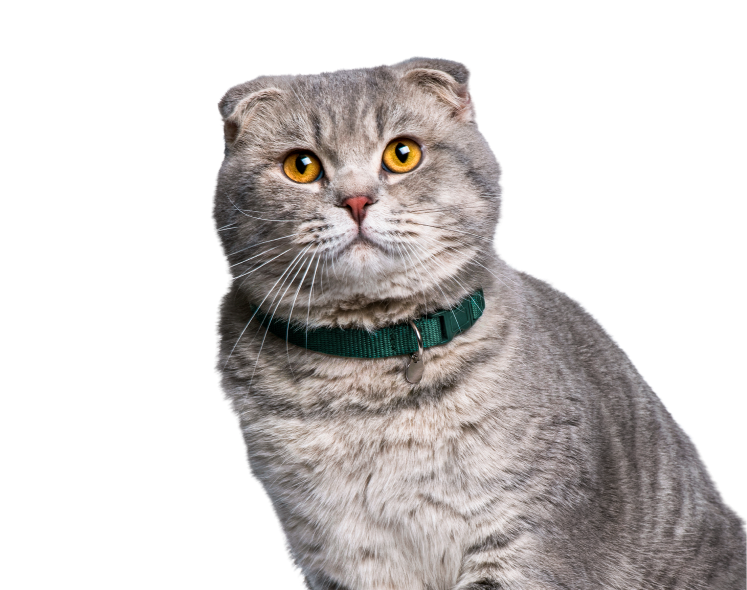
Toxoplasmosis
Fetch pays back: $168
Average cost to treat: $187
Deductible has been met in this example.
The pet insurance claims process for Hawaii pet parents
It’s fast and easy to submit claims and get reimbursed for approved claims with Fetch Pet.
1
You pay the vet first
You pay your pet’s bill in full at the veterinarian’s office during your visit.
2
Submit a claim to get paid back
Upload a picture of your paid invoice and supporting medical records and submit them in the Fetch Pet Insurance app.
3
Get reimbursed — fast
Claims are typically processed in less than 10 days. Once approved and you’ve met your deductible, get paid back up to 90% straight to your bank account when you set up direct deposit.
Add Fetch Wellness to help keep your pet healthy in Hawaii
When you sign your pet up for Fetch Pet, you have the option to add a Wellness plan to your pet insurance, so you’ll also get money back for vaccines, annual checkups, preventive oral care, spaying/neutering and more. With coverage for both unexpected and preventive vet care, your pet (and your wallet) will have total protection.
Get your price
Kona & Grace
Fetch Members since 2023
Your Hawaii pet insurance questions, answered
Does Fetch Pet Insurance cover pre-existing conditions in Hawaii?
No pet insurance covers all pre-existing conditions in Hawaii or anywhere else — this includes Fetch Pet. Curable pre-existing conditions, however, are covered by Fetch Pet. These are medical issues that can be completely cured with no recurrence of signs or symptoms (think: urinary tract infections, burns and bite wounds). In order for the condition to be considered curable, your pet must go 1 policy year completely symptom-free from the issue.
How much is pet insurance for a dog in Hawaii?
In Hawaii, insuring a dog with Fetch Pet costs an average of $40/mo. While other pet insurance may initially look less expensive, their coverage could up costing you more than Fetch Pet does. Here’s how: Pet insurers like AKC, Pets Best and Lemonade will give you a monthly price that seems low at first. But once you get closer to purchasing, they’ll ask if you want to pay extra to add coverage for dental care, behavioral issues and more. Even with those add-ons, you’ll still have less coverage than what comes standard with Fetch Pet.
Your actual monthly premium depends on your dog’s age, breed and where you live in the state. Hawaii’s most popular breeds are prone to hereditary and congenital conditions. For example, French Bulldogs are more likely to have respiratory problems, while Chihuahuas are known to experience gastric issues. Unlike other providers, Fetch Pet reimburses up to 90% of treatment costs for these conditions — no add-on required.
What is the waiting period for Fetch Pet Insurance in Hawaii?
With Fetch Pet, there’s no waiting period for accident coverage. So if you live in Hawaii, you can be reimbursed for injury claims starting the day after you sign up — this is known as your “policy effective date” in insurance-speak. For illness coverage, the waiting period is 15 days. There’s no waiting period for Wellness, if you add it to your policy.
What is a waiting period? A waiting period is the time between when you sign up for pet insurance and when vet visits for new illnesses are eligible for reimbursement. Any signs or symptoms of a condition that are noted in your pet’s veterinary records as well as any vet visits that take place prior to, or during the waiting period, will be considered a pre-existing condition and will not be covered.
Does Fetch Pet cover dental disease for pets in Hawaii?
Yes, Fetch Pet covers dental diseases for pets in Hawaii and is the only insurer to cover injury and disease in every adult tooth, plus your pet’s gums up to your max limit. It’s why Forbes named Fetch Pet the “Best Pet Insurance for Dental Coverage” in 2026. Fetch Pet’s dental coverage reimburses for periodontal disease (the most common disease in dogs and cats) as well as fractured teeth, extractions, root canals and more. Other insurers don’t offer this coverage. With 80% of dogs and 70% of cats showing signs of periodontal disease by age 3, according to the American Veterinary Dental College, full-mouth dental protection can help Hawaii pet parents afford the care their pets need.
What are the biggest pet health risks in Hawaii?
Hawaii’s warm, wet climate and unique wildlife can put pets at greater risk of certain health issues. The state has some of the nation’s highest rates of leptospirosis, a bacterial infection spread through contaminated water and soil. Year-round tropical temperatures can also increase the risk of heatstroke, while outdoor adventures may expose pets to poisonous Cane Toads, toxic plants and parasites that cause toxoplasmosis. Fetch Pet reimburses up to 90% of treatment costs in Hawaii for these common health risks, plus many more. In fact, Fetch Pet covers injuries and illnesses others don’t. Give your dog or cat the most complete protection in the U.S. and Canada with Fetch Pet.
Are there Hawaii laws that pet parents should be aware of?
Yes, Hawaii has laws regarding licensing, identification, animal welfare and more that pet parents should know. Maui Humane Society, one of our 85+ trusted animal welfare partners, has a helpful list that directs you to federal, statewide and Maui County animal laws. If you live on another island, be sure to check your county’s local laws and regulations, too.
Is pet insurance in Hawaii worth it?
Yes, pet insurance is worth it to protect your dog or cat (and your wallet) in Hawaii, especially since a pet parent faces a vet bill of $1,000 or more every 6 seconds, according to Forbes. Fetch Pet reimburses up to 90% of treatment costs for accidents and illnesses, making it easier to afford the care your pet deserves. This matters in Hawaii, where pets are more likely to face certain health risks like heatstroke or infections from Leptospira bacteria or toxoplasmosis. Fetch Pet Insurance covers these conditions and many more so you can help your pet live a longer, healthier life in the Aloha State.
Does Fetch Pet Insurance offer wellness plans in Hawaii?
Yes, Fetch Pet Insurance offers Wellness plans in Hawaii. In fact, there are 3 to choose from, so you can find the one that fits your pet and your budget best. Add Fetch Wellness to your Accident and Illness insurance to also get coverage for the preventive care that helps keep your pet healthy. This includes reimbursements for vaccines, flea and tick medications, preventive oral care and more. Wellness coverage can make a difference in Hawaii, where preventive care can help reduce the risk of certain bacterial diseases. Combined with our Accident and Illness plans, Fetch Wellness makes it more affordable to give your pet total protection in Hawaii.
How does Fetch Pet Insurance compare to other pet insurance in Hawaii?
When it comes to protecting a new puppy or kitten, Fetch Pet is the best pet insurance at the best price in Hawaii and throughout the U.S. and Canada. Fetch Pet has the most complete coverage, including full-mouth dental, sick-visit exam fees, behavioral therapy and more — at no added cost. Other providers limit, charge extra for or entirely exclude those same benefits. If you’re looking to adopt, Fetch Pet is the #1 pet insurance for shelter and rescue pets, partnering with 85+ shelter and rescue organizations. It’s easy to see why Fetch Pet was voted the #1 Best Pet Insurance in the 2026 Newsweek Readers’ Choice Awards. When you choose Fetch Pet, you’re choosing coverage trusted by vet experts, animal welfare organizations and pet parents alike to protect over 600,000 cats and dogs.