
Pet insurance in North Carolina for dogs & cats
Get your price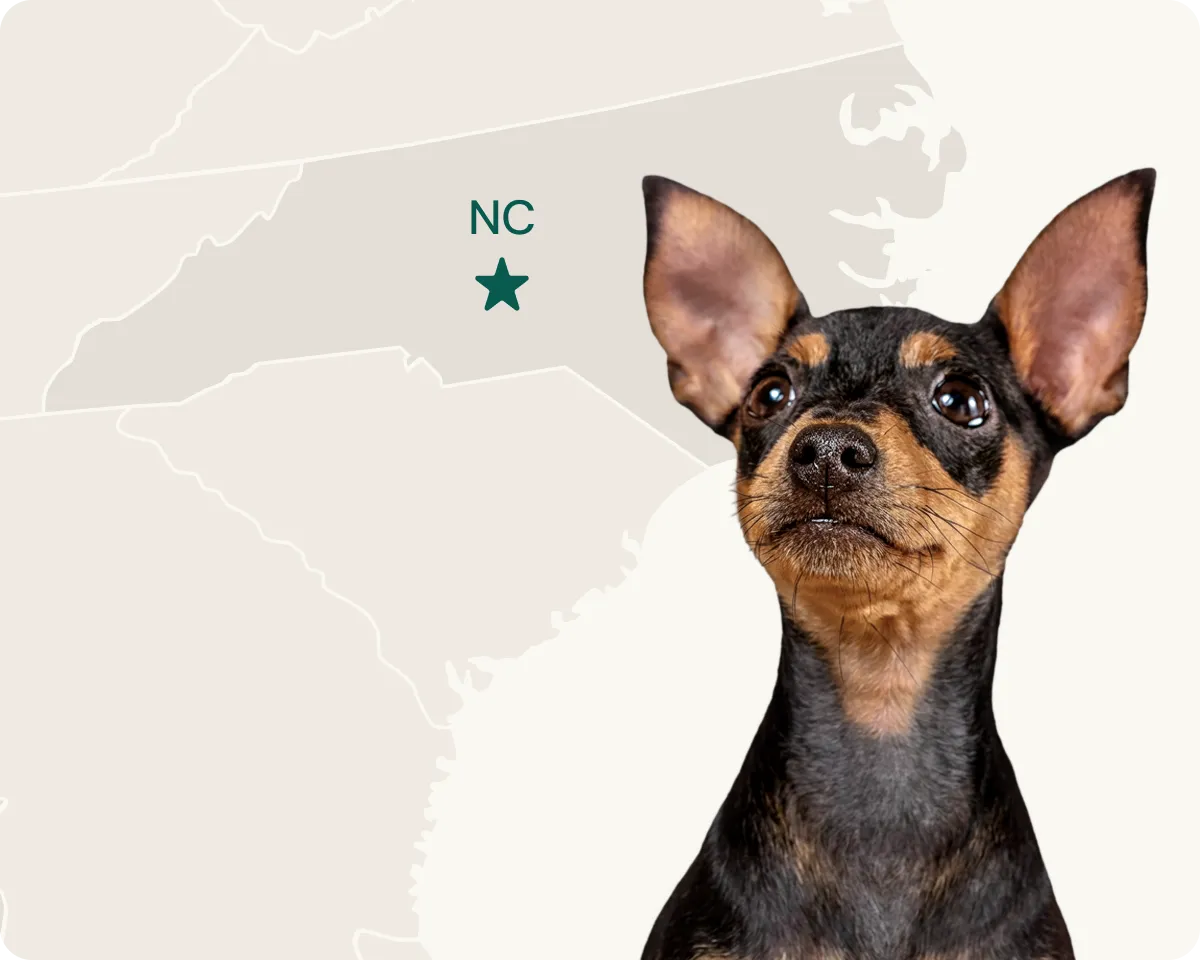
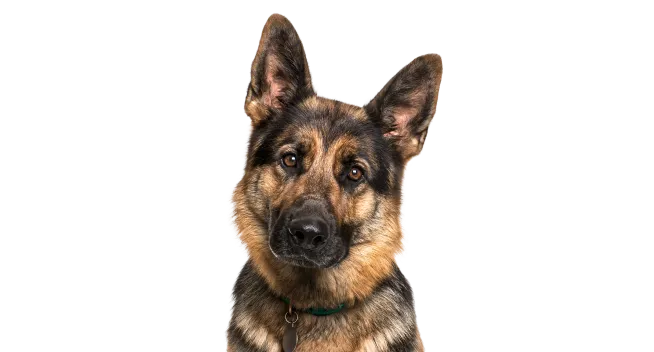
Chihuahua
Most popular breed in North Carolina
How much does pet insurance cost in North Carolina?
In North Carolina, Fetch Pet Insurance averages $30/mo. for dogs and $20/mo. for cats. If you have a new puppy or kitten to insure, Fetch Pet offers the best pet insurance at the best price. This can make a difference for pet parents across the state — especially in Winston-Salem and Greensboro, the 2 most expensive U.S. cities to have a dog, according to Forbes. North Carolina’s hot summers, hurricane seasons and wildlife put pets at risk of heatstroke, leptospirosis and other regional hazards. Fetch Pet reimburses up to 90% of treatment costs and covers every veterinarian — including specialists and emergency clinics — in the state, so North Carolina pet parents can give their pets longer, healthier lives.
Fetch Pet is the most complete pet insurance for accidents & illnesses in North Carolina
North Carolina has some of the best cities for pet parents, according to Forbes. Choosing Fetch Pet to protect your dog or cat can make life in the Tar Heel State even better. Coverage others don’t offer at all or charge extra for comes standard with Fetch Pet, including full-mouth dental, sick-visit exam fees, behavioral therapy, online vet visits and more. Fetch Pet covers more of your pet’s care, so you can worry less about vet bills while exploring North Carolina’s mountains, shores and lakes with your dog or cat.
Included coverage
Accidents

Emergency vet visits
Hospital stays
Cuts & scratches
Swallowed objects
Broken teeth
Broken bones
Bite wounds
Poisoning
Online vet visits
Illnesses
Sick visits
Vomiting & diarrhea
Skin & ear infections
Cancer treatment
Dental & gum disease
Allergies
Arthritis
Cherry eye
Breed-specific issues
Tests
X-Rays & CT scans
Physical therapy
Surgeries
Ultrasounds
Laboratory tests
Acupuncture & chiropractic care
Treatment for aggression & anxiety
Medications
Accidents, Illnesses & Tests
Emergency vet visits
Hospital stays
Cuts & scratches
Swallowed objects
Broken teeth
Broken bones
Bite wounds
Poisoning
Explore Accident & Illness

Optional coverage
Wellness
Accident and Illness pet insurance doesn’t include preventive care coverage. By adding it, you’ll also get money back for the vet visits that help keep your pet healthy, like:
Annual exams
Vaccinations
Spaying/Neutering
Dental cleanings
Heartworm, flea & tick prevention
Explore preventive add-on
Common pet health risks in North Carolina
From relaxing in the Outer Banks to backpacking the Blue Ridge Mountains, North Carolina has lots for pets and their people to explore. While the state’s warmer months are great for outdoor adventures, that’s also when pets are more likely to face heatstroke, snakes and other health risks. With Fetch Pet, you’ll have the coverage and protection your pet needs in Durham, Raleigh, Charlotte and everywhere between.
Take a look at what a 90% reimbursement and a $300 deductible looks like in these examples:
What is leptospirosis?
Leptospirosis is a serious illness caused by Leptospira, a bacteria spread through the urine of infected wildlife. It’s found in wet soil and stagnant water, especially after storms and flooding. Leptospirosis is more common in warm climates with high annual rainfall, like North Carolina.
How leptospirosis affects pets: Both dogs and cats can get leptospirosis, but it’s more common in dogs, who often pick it up after drinking from contaminated puddles, ponds and lakes. Symptoms can include vomiting, diarrhea, muscle tenderness, lack of appetite and difficulty breathing.

Why pets in North Carolina are at an increased risk
NC State lists leptospirosis among the most prevalent animal health risks after a hurricane, and North Carolina has been hit by more hurricanes than nearly every other state, according to NOAA. These storms bring heavy rainfall and flooding that can spread infected animal urine into puddles, ponds and other water sources where North Carolina dogs might take a drink.
Leptospirosis
Fetch pays back: $1,405
Average cost to treat: $1,895

What is heatstroke?
Heatstroke is a life-threatening condition that happens when a pet gets too hot to cool themself down. Pet parents should take extra caution when temperatures rise above 75 degrees, especially on walks.
How heatstroke affects pets: Signs of heatstroke in pets include heavy panting, excessive drooling, vomiting, diarrhea, weakness, wobbliness and collapse. Take your pet to the vet as soon as possible if they show symptoms of a heat-related illness.
Why pets in North Carolina are at an increased risk
North Carolina’s hot, humid weather can raise pets’ risk of heatstroke, according to NC State. The North Carolina State Climate Office says the heat season is typically May through September with temperatures topping 100 degrees. But some parts of North Carolina can reach 90 degrees as early as March, extending the period when pets are most at risk.
Heatstroke
Fetch pays back: $1,388
Average cost to treat: $1,876


What are venomous snake bites?
A venomous snake bite is a serious injury where a snake’s fangs pierce the skin and inject toxic venom. North Carolina has 6 types of venomous snakes: the Copperhead, Cottonmouth, Timber Rattlesnake, Eastern Diamondback Rattlesnake, Pigmy Rattlesnake and Eastern Coral snake, according to the state’s Wildlife Resources Commission.
How venomous snake bites affect pets: North Carolina’s most common venomous snakes, Copperheads and Cottonmouths, cause extreme pain and swelling in pets. Rattlesnakes and coral snakes are less common, but their bites can be fatal.
Why pets in North Carolina are at an increased risk
Duke University Medical School reports North Carolina has the most snake bites in the U.S. Venomous snakes are found statewide, but it’s estimated over 90% of bites are from Copperheads. They can be aggressive if disturbed, according to NC State Veterinary Medicine. Because snakes blend in so well, dogs and cats may not spot them before getting too close.
Venomous snake bites
Fetch pays back: $921
Average cost to treat: $1,357
What are toxic plants?
“Toxic plants” is a broad term for plants that naturally contain substances harmful to animals and people, especially when ingested. Curious dogs and cats often explore their environment by chewing, which increases the chances they’ll eat something they shouldn’t.
How toxic plants affect pets: The severity of illness depends on the type of plant, with some being more toxic than others. For example, hydrangeas can cause an upset stomach in dogs and cats, while poison hemlock could be fatal.
Why pets in North Carolina are at an increased risk
According to NC State, hundreds of toxic plants are found in North Carolina. These include azaleas and hydrangeas, which are common in gardens across the state. Additionally, poison hemlock and milkweed grow wild in North Carolina’s fields, yards and along roadways, putting a pet’s risk close to home.
Toxic plants
Fetch pays back: $375
Average cost to treat: $750


What are tick-borne diseases?
Tick-borne bacterial diseases are illnesses pets can get from infected ticks. Pets can easily pick up ticks in wooded areas, which are abundant in North Carolina with forests covering 61% of the state. Common tick-borne diseases in North Carolina are Lyme disease, ehrlichiosis and anaplasmosis, according to North Carolina’s Division of Public Health (NCDPH).
How tick-borne diseases affect pets: Tick-borne diseases tend to cause similar symptoms, including fever, swollen lymph nodes, coughing, loss of appetite, vomiting and diarrhea. These diseases are more common in dogs than house cats, since ticks are usually picked up outdoors.
Why pets in North Carolina are at an increased risk
The NCDPH reports that American Dog, Lone Star, Gulf Coast and Blacklegged ticks are common across North Carolina and can spread diseases to pets. North Carolina dogs test positive for 3 of these tick-borne diseases — Lyme disease, ehrlichiosis and anaplasmosis — at rates higher than the national average, according to The Companion Animal Parasite Council (CAPC).
Tick-borne diseases
Fetch pays back: $238
Average cost to treat: $264


Deductible has been met in this example.
The pet insurance claims process for North Carolina pet parents
It’s fast and easy to submit claims and get reimbursed for approved claims with Fetch Pet.
1
You pay the vet first
You pay your pet’s bill in full at the veterinarian’s office during your visit.
2
Submit a claim to get paid back
Upload a picture of your paid invoice and supporting medical records and submit them in the Fetch Pet Insurance app.
3
Get reimbursed — fast
Claims are typically processed in less than 10 days. Once approved and you’ve met your deductible, get paid back up to 90% straight to your bank account when you set up direct deposit.
Add Fetch Wellness to save on care that keeps pets healthy in North Carolina
When you sign your pet up for Fetch Pet, you have the option to add a Wellness plan to your pet insurance, so you’ll also get money back for vaccines, annual checkups, preventive oral care, spaying/neutering and more. With coverage for both unexpected and preventive vet care, your pet (and your wallet) will have total protection.
Get your price
Ruby & Amber
Fetch Members since 2024
Your North Carolina pet insurance questions, answered
Does Fetch Pet Insurance cover pre-existing conditions in North Carolina?
No pet insurance covers all pre-existing conditions in North Carolina or anywhere else — this includes Fetch Pet Insurance. A pre-existing condition is any injury, illness or condition that your pet shows signs or symptoms of either before your coverage begins or during your policy’s 15-day illness waiting period. These conditions will be noted in your pet’s veterinary medical records. Any claims for treatment related to a pre-existing condition will not be covered, unless it’s a curable pre-existing condition.
How much is pet insurance for a dog in North Carolina?
In North Carolina, the average cost of Fetch Pet Insurance is $30/mo. for dogs and $19/mo. for cats. Your pet’s breed, age and where you live in the state factor into your actual cost. This is important because North Carolina’s most popular breeds are prone to hereditary and congenital conditions. For example, Chihuahuas commonly experience gastric issues, while Yorkshire Terriers are more likely to develop liver disorders. Unlike other pet insurance, Fetch Pet includes coverage for these conditions — no add-on required.
What is the waiting period for Fetch Pet Insurance in North Carolina?
Fetch Pet has no waiting period for accident coverage in North Carolina or anywhere else in the U.S. and Canada. This means Fetch Pet Members can start getting paid for accidents that happen the day after they sign up (also known as your “policy effective date” in insurance-speak). Other providers, however, make North Carolina pet parents wait for accident coverage. Fetch Pet also doesn’t have a waiting period for Wellness coverage, if added. There is a 15-day waiting period for illness coverage.
What is a waiting period? A waiting period is how long you have to wait after enrollment before your pet is covered for new injuries and illnesses. Any signs or symptoms of a condition noted in your pet’s veterinary records before or during this time won’t be eligible for reimbursement.
Does Fetch Pet cover dental disease for pets in North Carolina?
Yes — Fetch Pet is the only insurer that covers injury and disease in every adult tooth, plus your pet’s gums up to your max limit. It’s why Fetch Pet was named Forbes’ “Best Pet Insurance for Dental Coverage” in 2026. Fetch Pet’s dental coverage includes reimbursements for periodontal disease (the most common disease in dogs and cats) as well as broken teeth, extractions, root canals and more. Other pet insurance doesn’t offer this coverage. With 80% of dogs and 70% of cats showing signs of periodontal disease by age 3, according to the American Veterinary Dental College, full-mouth dental protection can help North Carolina pet parents afford the care their pets need.
What are the biggest pet health risks in North Carolina?
North Carolina’s hot, humid climate and heavy rainfall create unique health risks for dogs and cats. A long heat season can increase the risk of heatstroke, while hurricanes and flooding create wet conditions where Leptospira bacteria can spread. Pets may also encounter toxic plants, disease-spreading ticks and venomous snakes, which are widespread across the state.
Fetch Pet offers the most complete dog and cat insurance, including coverage for the injuries and diseases pets are more likely to get in North Carolina. Add a Fetch Wellness plan to help stop health issues before they start and get reimbursed for vaccines, tick medications, preventive oral care and more.
Are there North Carolina laws that pet parents should be aware of?
Yes, North Carolina has laws for rabies vaccinations, licensing and more that pet parents should know. Visit the NC General Assembly for statewide dog- and cat-related laws. Cities and counties may also have their own rules, so be sure to check with your local animal control office for anything specific to your neighborhood.
Is pet insurance in North Carolina worth it?
Yes, pet insurance is worth it to protect your dog or cat (and your wallet) in North Carolina, especially since a pet parent faces a vet bill of $1,000 or more every 6 seconds, according to Forbes. Fetch Pet reimburses up to 90% of treatment costs for accidents and illnesses, making it easier to afford the care your pet deserves. This matters in North Carolina, where pets are more likely to face certain health risks like heatstroke or infections from Leptospira bacteria and ticks. Fetch Pet Insurance covers these conditions and many more so you can help your pet live a longer, healthier life in the Tar Heel State.
How does Fetch Pet Insurance compare to other pet insurance in North Carolina?
When it comes to protecting a new puppy or kitten, Fetch Pet is the best pet insurance at the best price in North Carolina and throughout the U.S. and Canada. Fetch Pet has the most complete coverage, including full-mouth dental, sick-visit exam fees, behavioral therapy and more — included at no added cost. Those same benefits are limited, excluded or cost extra with other pet insurance. If you’re looking to adopt, Fetch Pet is the #1 pet insurance for shelter and rescue pets, partnering with 70+ shelter and rescue organizations. It’s easy to see why Fetch Pet was voted the #1 Best Pet Insurance in the 2026 Newsweek Readers’ Choice Awards. When you choose Fetch Pet, you’re choosing coverage trusted by vet experts, animal welfare organizations and pet parents alike to protect over 600,000 cats and dogs.
Does Fetch Pet Insurance offer Wellness plans in North Carolina?
Yes, Fetch Pet Insurance offers Wellness plans in North Carolina. In fact, we have 3 to choose from, so you can find the one that fits your pet and your budget best. Add Fetch Wellness to your Accident and Illness insurance to also get coverage for the preventive care that helps keep your pet healthy. This includes reimbursements for vaccines, flea and tick medications, preventive oral care and more. Wellness coverage can make a difference in North Carolina, where health risks like ticks and bacterial diseases can be avoided with the right preventive care. Combined with our Accident and Illness plans, Fetch Wellness makes it more affordable to give your pet total protection in North Carolina.