

Pet insurance in Vermont for dogs & cats
Get your price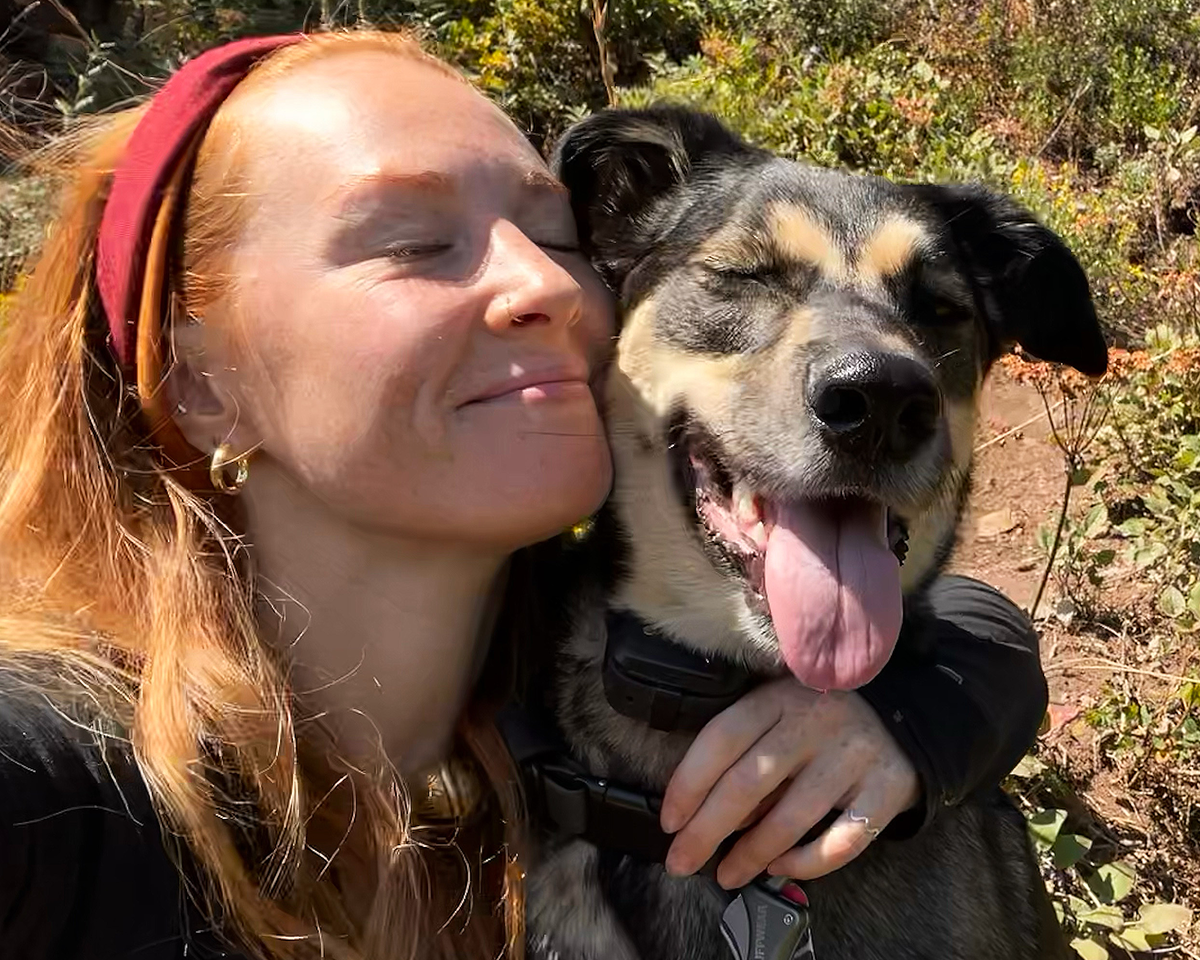

Middlebury, VT
Mel & Sienna
Fetch Members since 2021
How much does pet insurance cost in Vermont?
In Vermont, Fetch Pet Insurance plans average $43/mo. for dogs and $22/mo. for cats. For these prices, Fetch Pet Members get coverage for more types of injuries and illnesses than other providers offer. Members also have the freedom to visit any vet in the U.S. and Canada, including specialists and emergency clinics. That flexibility is especially valuable for pet parents in Vermont, the nation’s most rural state, where proximity to veterinary care can be limited. For quick questions, prescription refills and more, Fetch Pet makes it even more convenient for dog and cat parents in Vermont by reimbursing 100% for online visits with any licensed vet, up to $1,000/yr. — no copay and no deductible. Help give your pet a longer, healthier life in Burlington, Montpelier and everywhere in between with the most complete coverage — Fetch Pet.
Fetch Pet is the most complete pet insurance for accidents & illnesses in Vermont
If you’re looking for the best pet insurance in Vermont, Fetch Pet covers what others limit, charge extra for or exclude entirely. Coverage for full-mouth dental care, behavioral therapy, sick-visit exam fees and more comes standard with Fetch Pet. In 2026, Fetch Pet was voted #1 Best Pet Insurance in the Newsweek Readers’ Choice Awards and named “Best Pet Insurance for Dental Coverage” by Forbes. Our award-winning coverage is trusted by pet parents in Vermont and beyond to protect more than 600,000 dogs and cats.
Included coverage
Accidents

Emergency vet visits
Hospital stays
Cuts & scratches
Swallowed objects
Broken teeth
Broken bones
Bite wounds
Poisoning
Online vet visits
Illnesses
Sick visits
Vomiting & diarrhea
Skin & ear infections
Cancer treatment
Dental & gum disease
Allergies
Arthritis
Cherry eye
Breed-specific issues
Tests
X-Rays & CT scans
Physical therapy
Surgeries
Ultrasounds
Laboratory tests
Acupuncture & chiropractic care
Treatment for aggression & anxiety
Medications
Accidents, Illnesses & Tests
Emergency vet visits
Hospital stays
Cuts & scratches
Swallowed objects
Broken teeth
Broken bones
Bite wounds
Poisoning
Explore Accident & Illness

Optional coverage
Wellness
Accident and Illness pet insurance doesn’t include preventive care coverage. By adding it, you’ll also get money back for the vet visits that help keep your pet healthy, like:
Annual exams
Vaccinations
Spaying/Neutering
Dental cleanings
Heartworm, flea & tick prevention
Explore preventive add-on
Common pet health risks in Vermont
From hikes along the Long Trail and swims in Lake Champlain to snowy winter walks, outdoor adventures are part of life year-round in Vermont. Most Vermont residents live within a 10-minute walk of a park, trail or other recreational spot, so these adventures are often close to home. But for pets who tag along, this can mean more exposure to the most common pet health risks in Vermont, like tick-borne diseases, toxic algae blooms, frostbite and other hazards. Fetch Pet covers more injuries and illnesses than other providers, including the ones pets are most likely to face in the Green Mountain State.
Take a look at what a 90% reimbursement and a $300 deductible looks like in these examples:
What is compost poisoning?
Compost poisoning is a serious illness that happens when pets eat moldy food scraps from a compost pile or bin. Mold growing on rotting food can produce harmful toxins, which affect a pet’s nervous system. That’s why the Vermont Department of Environmental Conservation warns Vermont residents to keep dogs away from compost bins.
How compost poisoning affects pets: Compost poisoning is a medical emergency that requires urgent veterinary treatment. It can cause vomiting, diarrhea, loss of muscle control, seizures and an increased heart rate in pets. Treatment may require IV fluids, anti-nausea medication, muscle relaxers and hospitalization.

Why pets in Vermont are at an increased risk
Compost poisoning is a risk close to home for many Vermont pets. Since the state banned food scraps from trash and landfills in 2020, composting has increased, with 85% of residents participating, according to the University of Vermont. This means more pets may have access to compost bins and piles containing moldy food scraps that can make them very sick.
Compost poisoning
Fetch pays back: $428
Average cost to treat: $476
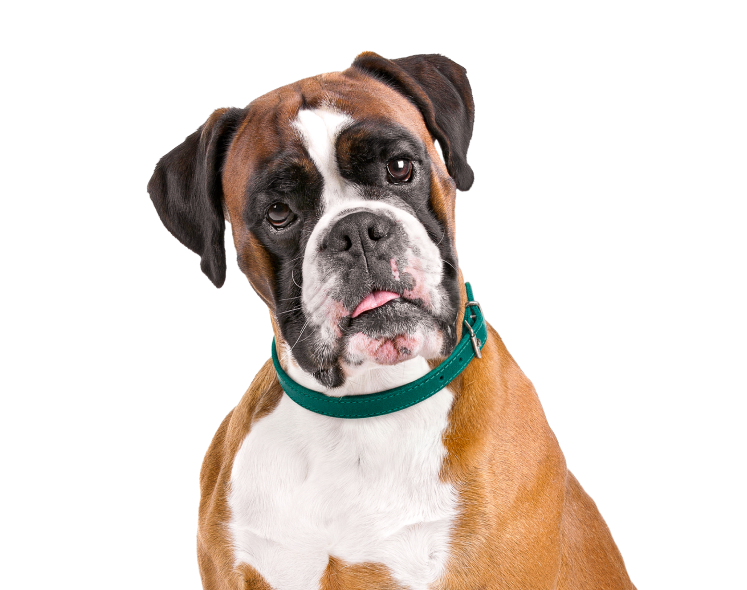

Deductible has been met in this example.
What is canine distemper?
Canine distemper is a serious and very contagious virus that attacks dogs’ respiratory, digestive and nervous systems. The virus is not only widespread in North America, but it’s also of concern in Vermont, according to their state Fish & Wildlife department. Canine distemper can spread through contact with infected dogs or wildlife.
How canine distemper affects pets: Early symptoms of canine distemper include fever, coughing, tiredness, vomiting and diarrhea, and it can progress to twitching, paralysis, seizures and hardening of the nose and paw pads. The Vermont Fish & Wildlife Department says unvaccinated pets are susceptible to contracting canine distemper, making it important to keep vaccinations up to date.
Why pets in Vermont are at an increased risk
Vermont has a greater variety of wildlife than any other New England state, according to a University of Vermont study. These include foxes, raccoons and skunks, all of which can carry canine distemper and spread the virus to unvaccinated dogs. In 2019, researchers also reported a new strain of canine distemper in wildlife from Vermont and neighboring New Hampshire.
Canine distemper
Fetch pays back: $405
Average cost to treat: $450
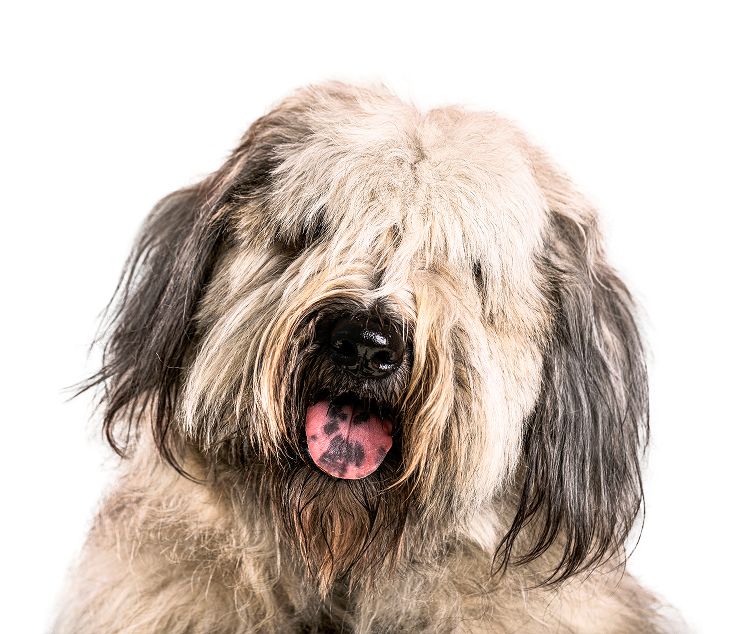

Deductible has been met in this example.
What are toxic plants?
“Toxic plants” is a broad term for plants that naturally contain substances harmful to animals and people, especially when ingested. Curious dogs and cats often explore their environment by chewing, which increases the chances they’ll eat something they shouldn’t.
How toxic plants affect pets: The severity of illness depends on the type of plant, with some being more toxic than others. In Vermont, Virginia creeper can cause an upset stomach in dogs and cats, while false hellebore can cause paralysis and seizures.
Why pets in Vermont are at an increased risk
Toxic plants grow throughout Vermont, even in places pets spend time every day. According to the Vermont Department of Health, false hellebore is found in backyards, forests, along roadsides and wherever there’s wet soil. Virginia creeper is also common across the state; it grows in the wild, climbs trees, fences and buildings, and is even planted in gardens.
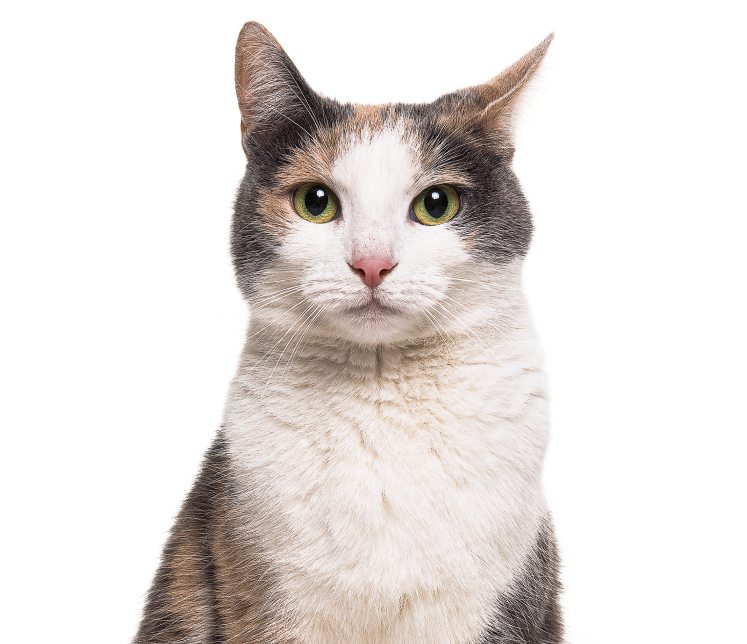
Toxic plants
Fetch pays back: $375
Average cost to treat: $750
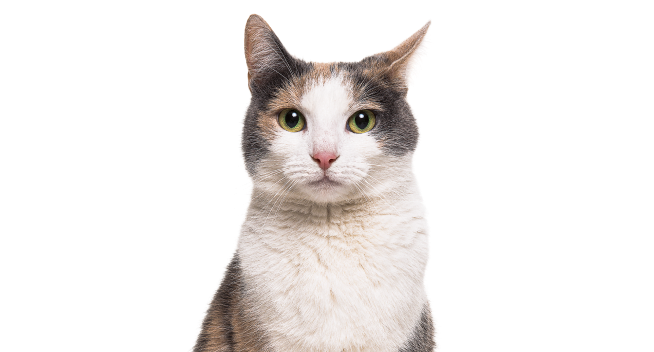
What are toxic algal blooms?
Toxic algal blooms happen when cyanobacteria (commonly called blue-green algae) multiply in warm water and produce toxins that can be dangerous to people and pets. In Vermont, these blooms can occur in Lake Champlain and other freshwater lakes, especially during summer and early fall, according to the Vermont Department of Health.
How toxic algal blooms affect pets: Exposure to toxic algal blooms can be especially dangerous to pets that drink from the shoreline or swallow cyanobacteria when licking contaminated water off their coats, according to Vermont health officials. Symptoms can develop within minutes to hours and may include vomiting, diarrhea, excessive drooling, weakness or difficulty breathing. In more serious cases, exposure can lead to seizures, tremors or even death.
Why pets in Vermont are at an increased risk
Harmful algal blooms are a concern in Vermont, partly because of runoff from farms. Dairy farming is the state’s largest agricultural industry, and according to the University of Vermont, rain and melting snow can wash manure from fields into nearby lakes and streams, carrying nutrients that cause toxic algal blooms in the summer. Pets can become seriously ill if they swim in or drink contaminated water.
Toxic algal blooms
Fetch pays back: $282
Average cost to treat: $647


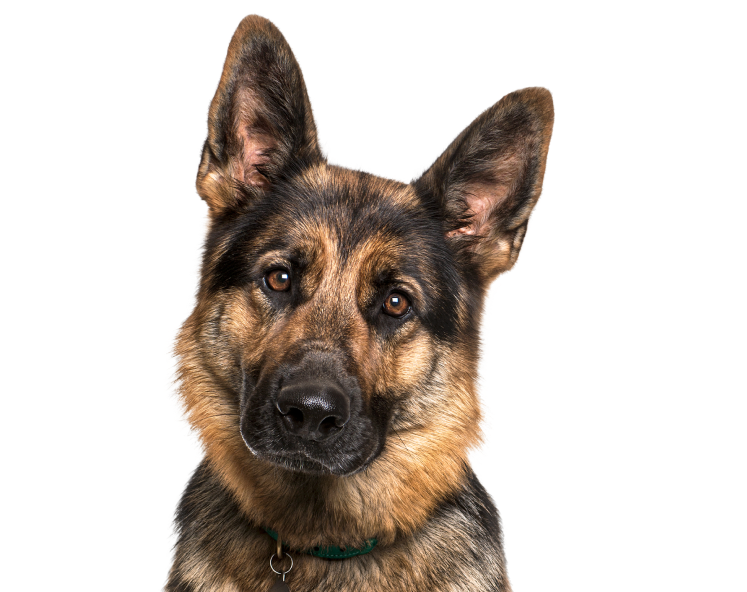
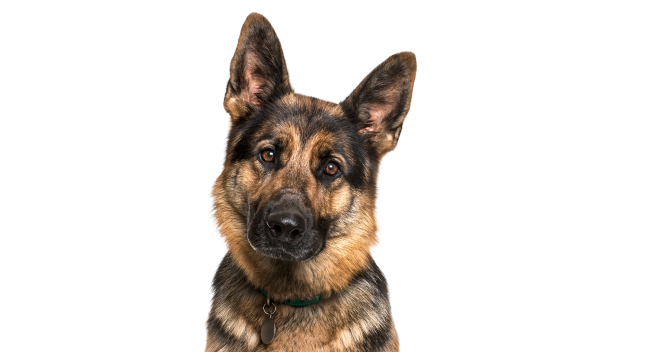
What are tick-borne diseases?
Tick-borne diseases are infections that animals and people can get from tick bites. According to the Vermont Department of Health, Lyme disease is the most common tick-borne illness in the state, followed by anaplasmosis and babesiosis.
How tick-borne diseases affect pets: Symptoms can be similar across tick-borne diseases and may include fever, swollen lymph nodes, coughing, loss of appetite, vomiting and diarrhea. Dogs tend to be affected more often than house cats because ticks are typically picked up outdoors, especially in wooded areas.
Why pets in Vermont are at an increased risk
Blacklegged ticks that spread Lyme disease and anaplasmosis are widespread in Vermont, increasing local pets’ risk of getting sick. The Vermont Department of Health tested blacklegged ticks around the state and found over half carried disease-causing pathogens. Vermont also has some of the country’s highest rates of these tick-borne diseases, ranking first for anaplasmosis since 2015 and second for Lyme disease in 2022.
Tick-borne diseases
Fetch pays back: $237
Average cost to treat: $264
Deductible has been met in this example.
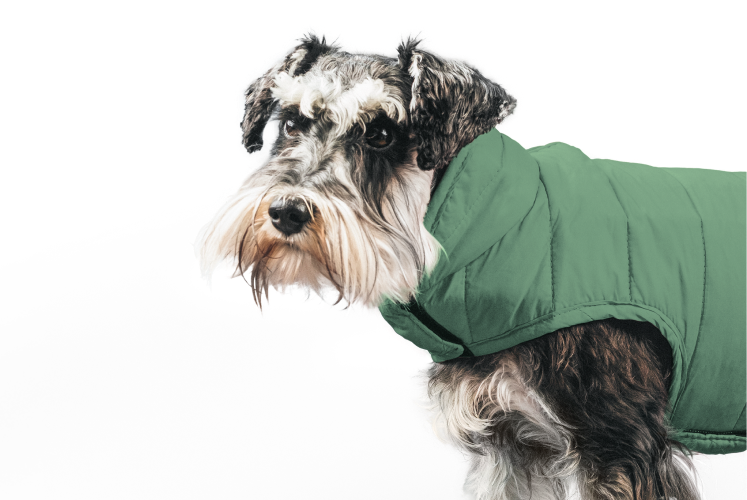
What is frostbite?
Frostbite is damage caused to skin and other tissues during extreme or prolonged exposure to cold weather. Below-freezing temperatures can restrict blood flow to areas of the body, which can cause severe injury or even hypothermia.
How frostbite affects pets: Frostbite is most likely to happen in exposed areas like paws, ears and tails, and dogs may experience skin color changes, brittle skin, swelling, pain and blackened, blistering skin.
Why pets in Vermont are at an increased risk
Vermont’s cold, snowy winters often bring stretches of single-digit temperatures, according to the Vermont Department of Health. These conditions can make dogs and outdoor cats more vulnerable to frostbite and hypothermia, while winter hazards like antifreeze and ice-melt chemicals can cause poisoning and burns to paw pads.
Frostbite
Fetch pays back: $209
Average cost to treat: $233

Deductible has been met in this example.
The pet insurance claims process for Vermont pet parents
It’s fast and easy to submit claims and get reimbursed for approved claims with Fetch Pet.
1
You pay the vet first
You pay your pet’s bill in full at the veterinarian’s office during your visit.
2
Submit a claim to get paid back
Upload a picture of your paid invoice and supporting medical records and submit them in the Fetch Pet Insurance app.
3
Get reimbursed — fast
Claims are typically processed in less than 10 days. Once approved and you’ve met your deductible, get paid back up to 90% straight to your bank account when you set up direct deposit.
Some pet health risks in Vermont are avoidable. Save on care that prevents them with Fetch Wellness.
When you sign your pet up for Fetch Pet, you have the option to add a Wellness plan to your pet insurance, so you’ll also get money back for vaccines, annual checkups, preventive oral care, spaying/neutering and more. With coverage for both unexpected and preventive vet care, your pet (and your wallet) will have total protection.
Get your price
Morgan & Pete
Fetch Members since 2022
Your Vermont pet insurance questions, answered
Does Fetch Pet Insurance cover pre-existing conditions in Vermont?
No pet insurance covers all pre-existing conditions in Vermont or anywhere else — this includes Fetch Pet. Curable pre-existing conditions, however, are covered by Fetch Pet. These are medical issues that can be completely cured with no recurrence of signs or symptoms (think: urinary tract infections, burns and bite wounds). In order for the condition to be considered curable, your pet must go 1 policy year completely symptom-free from the issue.
A pre-existing condition is any injury, illness or health condition that your pet shows signs or symptoms of before your policy’s effective date or during your illness waiting period of 15 days. To learn more, read about pre-existing conditions.
How much is pet insurance for a dog in Vermont?
In Vermont, insuring a dog with Fetch Pet costs an average of $43/mo. While other insurers may initially look less expensive, their coverage can end up costing you more than Fetch Pet does. Here’s how: Pet insurers like AKC, Pets Best and Lemonade will give you a monthly price that seems low at first. But once you get closer to purchasing, they’ll ask if you want to pay extra to add coverage for dental care, behavioral issues and more. Even with those add-ons, you’ll still have less coverage than what comes standard with Fetch Pet.
Your actual monthly premium depends on your dog’s age, breed and where you live in the state. Vermont’s most popular breeds are prone to hereditary and congenital conditions. For example, French Bulldogs are more likely to have respiratory problems and Chihuahuas are known to experience gastric issues. Fetch Pet includes coverage for hereditary and congenital conditions like these and reimburses up to 90% of treatment costs. AKC charges extra for this coverage, while Nationwide only covers some breed-specific conditions and doesn’t cover congenital conditions at all, which can be expensive to treat.
What is the waiting period for Fetch Pet Insurance in Vermont?
With Fetch Pet, there’s no waiting period for accident coverage. So if you live in Vermont, you can be reimbursed for injuries that happen starting the day after you sign up — this is known as your “policy effective date” in insurance-speak. For illness coverage, the waiting period is 15 days. There’s no waiting period for Wellness, if you add it to your policy.
What is a waiting period? A waiting period is the time between when you sign up for pet insurance and when vet visits for new illnesses are eligible for reimbursement. Any signs or symptoms of a condition that are noted in your pet’s veterinary records as well as any vet visits that take place prior to, or during the waiting period, will be considered a pre-existing condition and will not be covered.
Does Fetch Pet cover dental disease for pets in Vermont?
Yes, Fetch Pet covers dental diseases for pets in Vermont and is the only insurer to cover injury and disease in every adult tooth, plus your pet’s gums up to your max limit. It’s why Forbes named Fetch Pet the “Best Pet Insurance for Dental Coverage” in 2026. Fetch Pet’s dental coverage reimburses for periodontal disease (the most common disease in dogs and cats) as well as fractured teeth, extractions, root canals and more. With root canals averaging $3,140, complete dental coverage matters. ASPCA, Pumpkin and Spot don’t cover root canals and other endodontic treatment, while Lemonade charges extra for dental coverage and caps it at $1,000/yr. Embrace and Geico also have specific caps on how much they'll reimburse for dental each year, too. You won’t find any of these limitations with Fetch Pet’s full-mouth dental coverage.
What are the biggest pet health risks in Vermont?
Vermont’s vast forests, diverse wildlife and cold, snowy winters can put pets at greater risk of certain health issues. Vermont has some of the nation’s highest rates of Lyme disease and anaplasmosis in people, both spread by blacklegged ticks common in Vermont’s wooded areas and forest edges. The state’s wildlife, like foxes, raccoons and skunks, can spread canine distemper to unvaccinated dogs, while runoff from dairy farms can contribute to harmful algal blooms in lakes and streams. Pets may also encounter toxic plants, and even winter adventures come with hazards like frostbite and hypothermia. Fetch Pet reimburses up to 90% of eligible treatment costs in Vermont for these common health risks, plus many more. In fact, Fetch Pet covers injuries and illnesses others don’t. Give your dog or cat the most complete protection in the U.S. and Canada with Fetch Pet.
Are there Vermont laws that pet parents should be aware of?
Yes — Vermont has laws covering rabies vaccinations, dog licensing and more that pet parents should know. Search the Vermont Statutes for statewide pet-related laws. Your town may also have its own rules about leashing and pet safety, so check with your local animal control office to see what else applies in your community.
Is pet insurance in Vermont worth it?
Yes, pet insurance is worth it to protect your dog or cat (and your wallet) in Vermont, where pets are more likely to face certain health risks like frostbite or tick-borne illnesses. Fetch Pet covers more injuries and illnesses than other providers, reimbursing up to 90% of eligible treatment costs to make the care your pet deserves more affordable.
Unlike other insurers, Fetch Pet also reimburses virtual visits with any licensed vet at 100%, up to $1,000/yr., with no copay or deductible. This is especially helpful in Vermont’s rural areas, where the nearest veterinarian may be a long drive. Your pet can get a diagnosis, treatment plan and prescription all without leaving home. Plus, Fetch Pet is the only pet insurance that reimburses 100% on hundreds of qualifying pet meds when you use our online pharmacy, Fetch Pet Rx†, and delivers them right to your door. Wherever you call home, Fetch Pet helps make it more convenient and affordable for Vermont pet parents to give their pets quality care.
How does Fetch Pet Insurance compare to other pet insurance in Vermont?
Fetch Pet covers what other pet insurers charge extra for or simply don’t cover at all, including injury and disease in every adult tooth, sick-visit exam fees and more. Only Fetch Pet pays back 100%, with no deductible and no copay, for online vet visits, behavioral therapy and 5 other coverages — up to $1,000/yr. each. If you’re looking to adopt, Fetch Pet is the #1 pet insurance for shelter and rescue pets, partnering with 85+ shelter and rescue organizations. If you’re looking to protect a new puppy or kitten in Vermont, Fetch Pet is the best pet insurance at the best price throughout the U.S. and Canada. It’s easy to see why Fetch Pet was voted the #1 Best Pet Insurance in the 2026 Newsweek Readers’ Choice Awards. When you choose Fetch Pet, you’re choosing coverage trusted by vet experts, animal welfare organizations and pet parents alike to protect over 600,000 dogs and cats.
Does Fetch Pet Insurance offer wellness plans in Vermont?
Yes, Fetch Pet Insurance offers wellness plans in Vermont. In fact, we have 3 to choose from, so you can find the one that fits your pet and your budget best. Add Fetch Wellness to your Accident and Illness insurance to also get coverage for the preventive care that helps keep your pet healthy. This includes reimbursements for vaccines, flea and tick medications, preventive oral care and more. Wellness coverage can make a difference in Vermont, where health risks like ticks and canine distemper can be avoided with the right preventive care. Combined with our Accident and Illness plans, Fetch Wellness makes it more affordable to give your pet total protection in Vermont.