



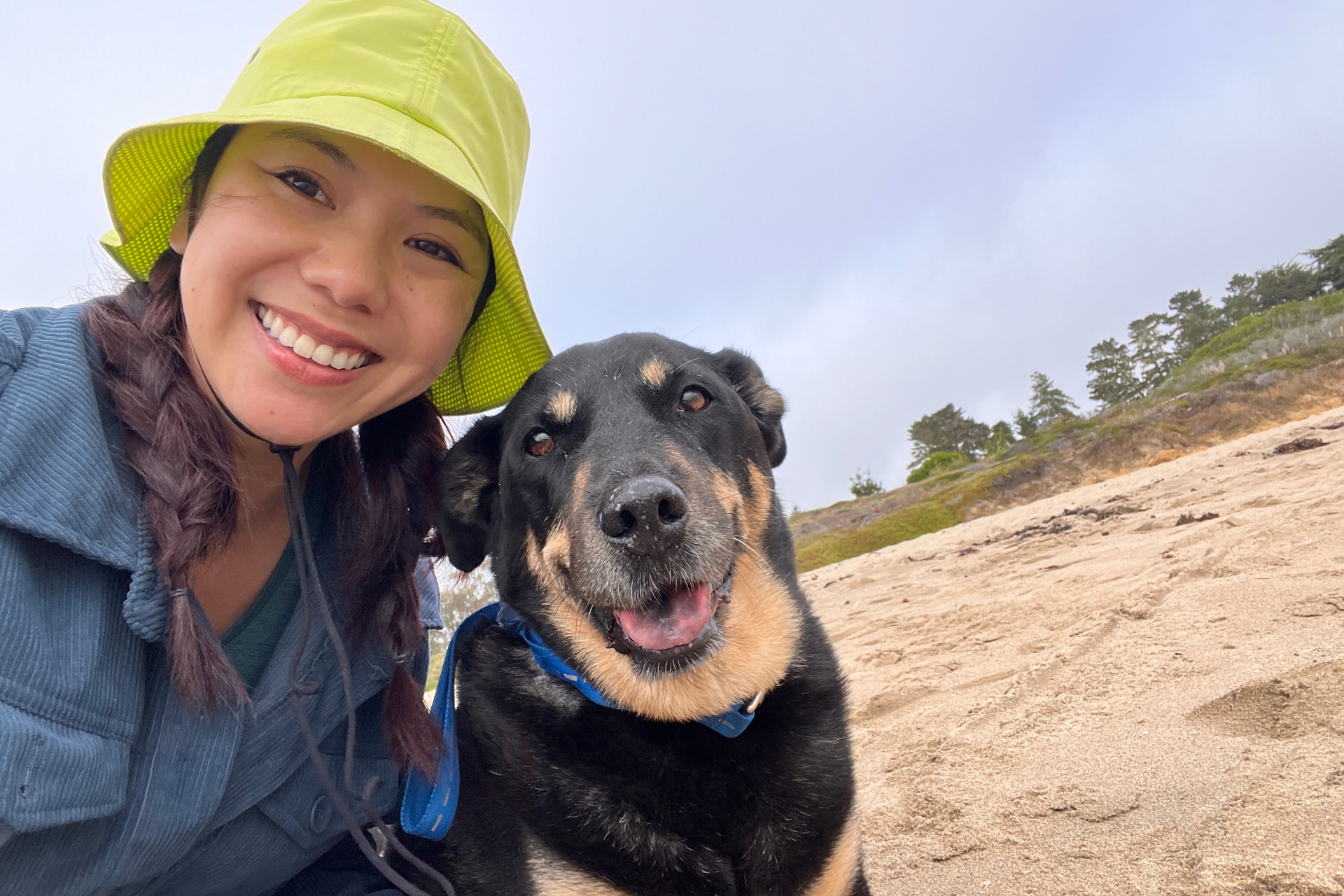
As pet parents, we want to give our furry friends a life full of adventure, comfort and — most importantly — safety. While we can’t predict every curveball life throws, we can take proactive steps to prevent our dogs and cats from getting lost, injured or exposed to avoidable risks. Whether you’re navigating the great outdoors with your pup or keeping your indoor cat entertained, here is a practical guide to safeguarding your pet’s health and happiness.
The fastest way to reunite with a lost pet is through up-to-date identification. Always keep your contact information current on your pet's microchip registry and physical ID tags.



A safe environment starts with checking your home and outdoor areas for potential escape routes or hazards.
A bored or anxious pet is more likely to engage in risky behaviors like escaping or chewing dangerous items. Supporting regular exercise, enrichment and predictable routines is vital for their physical and mental well-being.
One of the simplest and most effective things you can do is pack a pet emergency kit. This kit should be packed before a disaster occurs and stored in an easy-to-grab location. Fetch Veterinary Advisory Board member and emergency veterinarian Dr. Noe Galvan recommends including the following items in your kit:
Even with the best precautions, accidents happen. If your pet goes missing, act immediately. Search your neighborhood, leave heavily scented items (like their bed or your worn shirt) outside your door and immediately report them missing to your microchip company, local shelters and animal control.
Fetch Pet Insurance lost pet coverage
Did you know that Fetch Pet offers lost pet coverage to help support you during a stressful time? Eligible expenses often include reimbursement for advertising your lost pet (like printing flyers) and offering a reward for their safe return. You can learn more about the specifics of your coverage, including coverage limits and eligible costs, by logging into your Fetch Pet member portal and reviewing your policy documents.
Fetch Deals
From training and walking essentials to GPS trackers and lost-pet support, Fetch Deals gives Members exclusive savings on products and services that can help pets stay safe, healthy and happy for years to come.
The Dig, Fetch Pet Insurance's expert-backed editorial, answers all of the questions you forget to ask your vet or are too embarrassed to ask at the dog park. We help make sure you and your best friend have more good days, but we’re there on bad days, too.
Save up to 90% on unexpected vet bills
Use any veterinarian in the U.S. or Canada
Rated 'Excellent' on Trustpilot
The most comprehensive pet insurance


up to 90% of vet bills – covered.
Every 6 seconds, a pet parent gets a $1000+ vet bill. Care for your pet & your wallet with Fetch.
Get your price


